Sleepmaxxing — What Actually Works vs TikTok Hype (Every Hack Scored)
What Is Sleepmaxxing?
Sleepmaxxing is a viral TikTok trend where people try to improve sleep quality by combining multiple techniques like supplements, routines, and environmental changes.
Sleepmaxxing combines "sleep" with "maxxing" — TikTok slang for maximising or optimising something to its fullest extent, borrowed from trends like looksmaxxing (optimising appearance). A sleepmaxxing routine typically layers multiple sleep interventions at once — supplements, gadgets, environment changes, dietary tweaks, and timing adjustments — all aimed at achieving deeper, longer, more restorative sleep.
Videos tagged #sleepmaxxing have accumulated hundreds of millions of views on TikTok. In 2025 it became popular enough that a Harvard Health contributor published a formal review of the trend, and the American Academy of Sleep Medicine (AASM) released a national survey about it in January 2026.
The core idea — taking sleep seriously and optimising it — is genuinely good. The problem is that TikTok mixes evidence-based sleep hygiene with unproven viral hacks and presents them with equal confidence.
Related Sleep Optimization Topics
Sleepmaxxing overlaps with several evidence-based sleep concepts including sleep hygiene, circadian rhythm optimization, melatonin regulation, sleep latency reduction, and deep sleep improvement.
People searching for sleepmaxxing are often also interested in: improving sleep quality naturally, falling asleep faster, fixing sleep schedules, and increasing deep sleep duration.
Why Sleepmaxxing Went Viral in 2026
Three things drove sleepmaxxing mainstream:
- Wearables made sleep data personal. When your Oura Ring or Apple Watch shows you got only 45 minutes of deep sleep, it creates urgency to fix it. People started searching for solutions actively.
- Post-pandemic health consciousness. Gen Z in particular entered the workforce with a fundamentally different attitude toward health — sleep is not a sacrifice, it is a priority. The cultural shift from "hustle culture" to "recovery culture" made sleep optimization feel aspirational rather than lazy.
- Sleep problems are genuinely widespread. The American Academy of Sleep Medicine found that 76% of adults have lost sleep due to worry about sleep problems. When you are desperate for better sleep and your feed shows someone confidently claiming mouth tape changed their life, you want to try it.
Pros and Cons of Sleepmaxxing
Benefits
- Encourages better sleep awareness
- Promotes healthy habits like consistent routines
- Can improve sleep quality when evidence-based methods are used
Drawbacks
- Can lead to anxiety about sleep performance (orthosomnia)
- Includes unverified or risky techniques
- Too many interventions at once reduce effectiveness
Every Major Sleepmaxxing Hack — Scored by Science
Each hack below is rated on evidence strength: ✓ Works means strong research support, ~ Mixed means limited or inconsistent evidence, and ✗ Skip means no evidence or active risk.
Consistent sleep and wake time every day
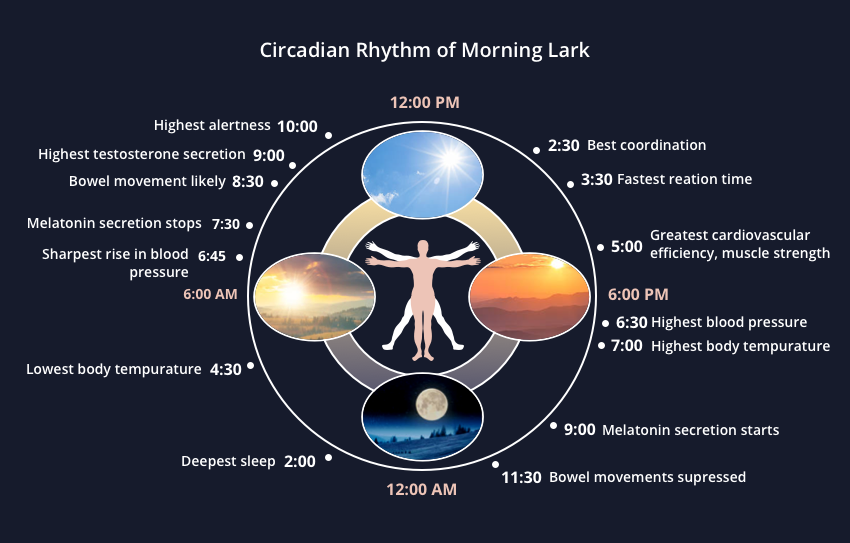
The single most evidence-backed sleep intervention — and the most boring to post about on TikTok, which is why it gets far less attention than mouth tape. Your circadian rhythm is anchored by consistency. A fixed wake time 7 days a week, including weekends, trains your brain to release melatonin predictably, reducing sleep latency and improving deep sleep quality. The CDC and Sleep Foundation guidance both identify this as the foundation of good sleep. Everything else is secondary.
Cool bedroom — 15-19°C (60-67°F)
Your core body temperature naturally drops 1-2°C as you fall asleep. A cool bedroom accelerates this process. Research consistently shows bedroom temperature is one of the strongest environmental predictors of sleep quality. Too warm actively prevents deep sleep. This is free, immediate, and has zero downside. If you do one environmental change, make it this.
Morning sunlight within 30-60 minutes of waking
Getting outdoor light in the morning anchors your circadian rhythm and determines when melatonin rises that evening — typically 12-14 hours later. Stanford neuroscientist Andrew Huberman has popularised this as the single most impactful free intervention for sleep quality, and the underlying science is solid. Even on overcast days outdoor light delivers 10-50x more lux than indoor lighting. Ten minutes is enough.
No caffeine after 2-3 PM
Caffeine has a half-life of 5-7 hours. A 3 PM coffee still has half its effect active at 9 PM. It blocks adenosine receptors that build sleep pressure throughout the day — meaning you feel less sleepy at bedtime even if your body is genuinely tired. This is not debatable in sleep science. For sensitive individuals, noon is the cutoff.
Magnesium glycinate before bed
The most evidence-supported sleep supplement. Magnesium plays a role in regulating the nervous system and melatonin production. A 2023 meta-analysis found magnesium supplementation improved sleep onset, sleep efficiency, and sleep duration, particularly in older adults and those with deficiency. The glycinate form is the most bioavailable and least likely to cause digestive issues. Typical dose: 300-400mg taken 1 hour before bed. Note: it helps people who are deficient — not a miracle for everyone.
Blackout curtains or sleep mask
Even small amounts of light — a phone charging LED, streetlight through thin curtains — suppress melatonin production. The pineal gland is sensitive to light even through closed eyelids. Blackout curtains or a sleep mask are inexpensive and have immediate, measurable impact on melatonin timing and sleep depth.
No screens 60-90 minutes before bed
Blue light from screens mimics daylight and suppresses melatonin. Harvard research found blue light exposure at night shifts the circadian clock by up to 3 hours. Night mode and blue-light glasses help but do not fully compensate — the stimulating content itself (social media, news, stressful messages) also activates the stress response. Replacing screens with reading, stretching, or journalling works significantly better.
Cycle-aligned bedtime
Timing your bedtime so your wake-up alarm falls at the end of a 90-minute sleep cycle — not mid-cycle — dramatically reduces sleep inertia (morning grogginess). This is exactly what the REMNIX sleep calculator calculates: your exact cycle-aligned bedtime including sleep latency. This is the sleepmaxxing hack most specific to what we do and one of the most underrated in the trend.
Melatonin supplements
Melatonin is a timing signal, not a sedative. It tells your brain when to sleep — not how deeply. The American Academy of Sleep Medicine recommends it specifically for circadian rhythm disorders (jet lag, shift work, delayed sleep phase) — not for general insomnia or sleep quality. Most people take too high a dose (5-10mg) when 0.5-1mg is actually more effective for timing purposes. Taking it nightly without a circadian reason may mask an underlying sleep disorder that needs proper treatment.
Kiwi fruit before bed
A viral TikTok sleepmaxxing claim. The origin is a small Taiwanese study (24 participants) that found eating two kiwis one hour before bed improved sleep onset and duration. Kiwis are rich in serotonin precursors and antioxidants that may support sleep. The evidence is real but very preliminary — one small study is not a verdict. Eating kiwis is harmless and worth trying, but the viral certainty around it far exceeds the evidence.
Weighted blankets
There is some evidence that deep pressure stimulation from weighted blankets reduces anxiety and increases serotonin and oxytocin, which may support sleep. Stanford sleep specialist Dr. Rafael Pelayo notes they can be reassuring for people who like feeling cocooned. However the evidence is mostly from studies in people with autism or anxiety disorders — general population evidence is weak. If you find one comfortable, use it. If not, do not feel you are missing something critical.
Red light therapy before bed
The theory: red light wavelengths (620-750nm) do not suppress melatonin the way blue light does and may even stimulate melatonin production. A few small studies found associations with improved sleep and melatonin levels. However other studies found red light still induced alertness. The reduced melatonin suppression compared to blue light has been conflated with a positive sleep effect. Not harmful, but the evidence does not justify expensive red light devices.
Magnesium "sleepy girl mocktail"
The viral trend of mixing magnesium powder with tart cherry juice and sparkling water before bed. Tart cherries do contain small amounts of melatonin and tryptophan — a 2018 study found tart cherry juice increased sleep time by 84 minutes in older adults with insomnia. The magnesium component is evidence-backed (see above). As a combined "mocktail" specifically, no clinical trials exist. The ingredients individually are low-risk. The viral certainty is ahead of the science.
Mouth taping
The most controversial sleepmaxxing trend. Taping the mouth shut during sleep forces nasal breathing — which advocates claim reduces snoring, improves oxygen intake, and deepens sleep. Stanford sleep expert Dr. Clete Kushida reviewed the evidence and found mouth taping may not be effective for everyone and in some cases worsens airflow during sleep. It is particularly dangerous for anyone with sleep apnea, nasal congestion, or any breathing difficulty where mouth breathing is a backup mechanism. If you have sleep apnea and tape your mouth, you restrict a critical safety valve. Do not try this without a doctor's evaluation.
Sleeping with nose strips and nasal expanders every night
Nasal strips (like Breathe Right) are a reasonable short-term aid for nasal snorers or congestion. Using them every night as a sleepmaxxing staple is not evidence-based. If you need nasal strips to breathe adequately at night, the underlying cause (deviated septum, chronic allergies, nasal polyps) should be investigated and treated — not managed indefinitely with adhesive strips.
Obsessively tracking sleep data every morning
This is where sleepmaxxing becomes orthosomnia. The AASM found 76% of adults have lost sleep due to worries about sleep problems. Checking your sleep tracker score every morning and adjusting your anxiety level accordingly trains your brain to associate sleep with performance evaluation — the exact opposite of the relaxed state needed for good sleep. Use data to spot patterns over weeks, not to grade last night's performance.
The Dark Side of Sleepmaxxing — Orthosomnia
Harvard Health researchers coined the term orthosomnia — an unhealthy obsession with achieving perfect sleep — to describe a direct consequence of sleepmaxxing culture. It describes people who lie awake anxious about their sleep tracker scores, who feel like failures after a night of natural variation, or who try so many simultaneous interventions that their bedtime routine becomes a source of stress rather than relaxation.
Even genuinely good sleepers vary from night to night — experiencing poor sleep 2-3 nights per week is entirely normal. When you expect perfection and measure yourself against it nightly, you create performance anxiety around the one thing that requires zero effort to do well: sleep.
The irony is that orthosomnia is a form of insomnia caused by trying too hard not to have insomnia.
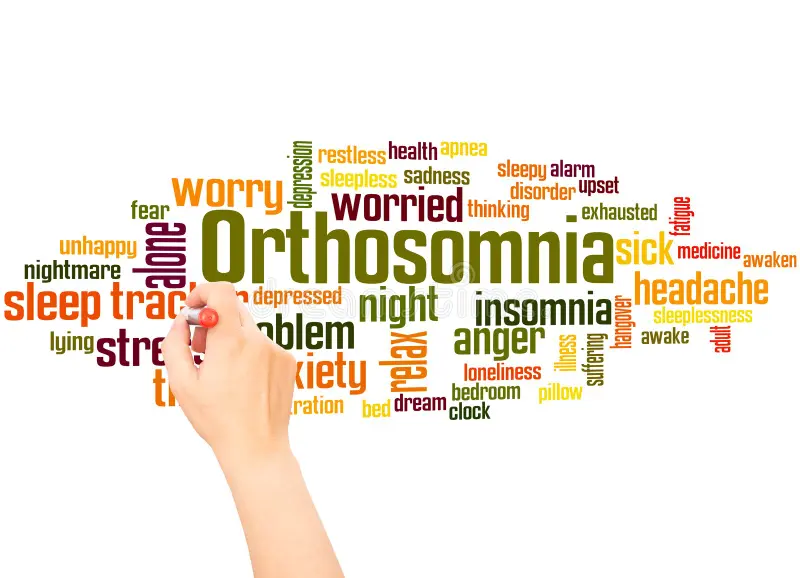
Obsessing over sleep data can worsen sleep quality.
The Sleepmaxxing Starter Pack — What Actually Moves the Needle
If you want to genuinely improve your sleep without the noise, this is the evidence-based version of sleepmaxxing — five changes that collectively have more impact than any gadget or supplement:
- Fix your wake time first. Pick one consistent wake-up time and commit to it 7 days a week for 2 weeks. Everything else becomes easier once your circadian rhythm is anchored.
- Get morning sunlight within 30 minutes of waking. Ten minutes outside. Free. More impactful than any supplement.
- Keep your bedroom at 15-19°C. The fastest environmental fix with the strongest evidence.
- Cut caffeine by 2 PM. Non-negotiable if you have trouble falling asleep or staying asleep.
- Use a cycle-aligned bedtime. Use the REMNIX sleep calculator to find your exact bedtime so your alarm lands at the end of a sleep cycle — not mid-cycle. This alone reduces morning grogginess significantly.
Start with these five. Only add supplements or gadgets after these are locked in — otherwise you will not know what is actually working.
Is Sleepmaxxing Worth It?
The trend itself is worth it — the core message that sleep deserves the same intentional investment as diet and exercise is correct and important. The problem is the execution: TikTok optimises for novelty and confidence, not evidence quality. Mouth tape is more shareable than "go to bed at the same time every day."
The best version of sleepmaxxing is boring, consistent, and free: fixed wake time, morning sunlight, cool dark room, no late caffeine, and cycle-aligned bedtime. That is not viral content. But it is what actually works.
Scientific Sources & References
This article is based on peer-reviewed research and expert guidance from leading sleep institutions:
- Harvard Medical School - Sleep and circadian rhythm research
- American Academy of Sleep Medicine (AASM)
- CDC Sleep Guidelines
- Sleep Foundation clinical reviews
- Peer-reviewed meta-analyses on magnesium and sleep
Key concepts covered include circadian rhythm regulation, melatonin production, sleep latency, and orthosomnia - all widely studied in sleep science literature.
Common Sleepmaxxing Questions People Ask
Is sleepmaxxing actually real or just a trend?
Sleepmaxxing is both real and overhyped. The concept itself-improving sleep using science-backed habits-is legitimate and supported by research in circadian rhythm regulation and sleep hygiene. However, many viral sleepmaxxing hacks exaggerate benefits or lack strong evidence. The reality is simple: a few core habits drive most results, not dozens of hacks combined.
What are the dangers of sleepmaxxing?
The biggest risk of sleepmaxxing is developing orthosomnia, an unhealthy obsession with achieving perfect sleep. This can lead to anxiety at bedtime, over-reliance on sleep trackers, and trying too many interventions at once. Some techniques-like mouth taping-can also be physically risky, especially for people with breathing issues.
What are the best scientifically proven sleep hacks?
- Consistent sleep and wake time (including weekends)
- Morning sunlight exposure within 30-60 minutes
- Keeping your bedroom cool (15-19°C)
- Avoiding caffeine after early afternoon
- Reducing screen exposure before bed
These are backed by major sleep research and consistently outperform trendy hacks.
Is sleepmaxxing better than normal sleep hygiene?
Not really-sleepmaxxing is essentially sleep hygiene with better marketing. Traditional sleep hygiene focuses on consistency and simplicity, which is often more effective than stacking multiple techniques at once.
Do sleepmaxxing supplements actually work?
Some supplements can help in specific situations. Magnesium may improve sleep if you're deficient, and melatonin helps regulate sleep timing-not sleep depth. However, no supplement replaces foundational habits like consistent sleep schedules and light exposure.
How long does it take for sleepmaxxing to work?
With consistent habits, you may notice better sleep timing within a few days, improved sleep quality within 1-2 weeks, and a stable sleep rhythm within 2-4 weeks. Consistency matters more than intensity.
Should you try every sleepmaxxing hack at once?
No. Trying too many changes at once makes it hard to identify what works and can increase stress around sleep. Start with a few proven habits, then build gradually.
Frequently Asked Questions About Sleepmaxxing
The Most Underrated Sleepmaxxing Hack
Cycle-aligned sleep timing — waking at the end of a 90-minute cycle instead of mid-cycle — is one of the most impactful and least talked-about sleep optimisations. Use the REMNIX calculator to find your exact bedtime.
Calculate My Cycle-Aligned BedtimeAbout the Author
Somnath Bhattarai is the founder of REMNIX. All content references peer-reviewed sleep research and expert commentary from institutions including Sleep Foundation, AASM, and Harvard Medical School.